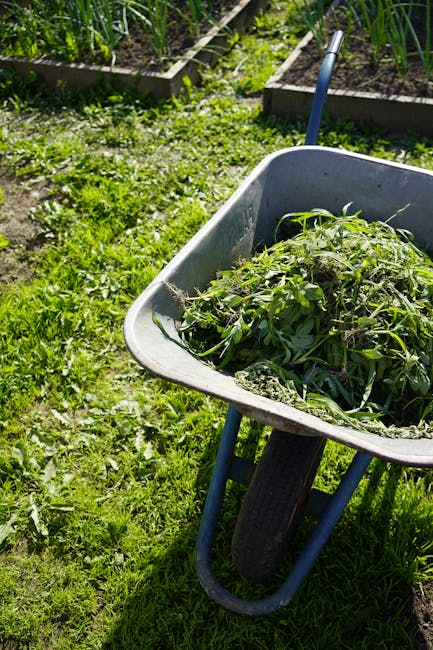
Garden waste removal cost guide Hillingdon 2026
If your garden has got away from you a bit, you are not alone. After a long winter, a busy growing season, or one of those weekends where the plan was "just tidy a few beds" and somehow the heap kept growing, garden waste can become surprisingly expensive to clear if you do not know what drives the price. This Garden waste removal cost guide Hillingdon 2026 breaks the process down in plain English: what affects pricing, what to expect from a collection, where costs tend to rise, and how to avoid paying for more than you need.
Whether you are dealing with hedge cuttings, branches, soil, old turf, or a full garden overhaul, the goal is the same: get it removed properly, without stress, and with no nasty surprises on the final invoice. Let's face it, nobody wants to be staring at a pile of ivy and wondering if they should have hired a van, a skip, or a second cup of tea first.
For readers looking to understand service standards as well as pricing, it can also help to review the company's pricing and quotes information and its approach to recycling and sustainability. Those pages add useful context about how a professional clearance service typically works in practice.
Table of Contents
- Why Garden waste removal cost guide Hillingdon 2026 matters
- How Garden waste removal cost guide Hillingdon 2026 works
- Key benefits and practical advantages
- Who this is for and when it makes sense
- Step-by-step guidance
- Expert tips for better results
- Common mistakes to avoid
- Tools, resources and recommendations
- Law, compliance, standards, or best practice
- Options, methods, or comparison table
- Case study or real-world example
- Practical checklist
- Conclusion
- Frequently asked questions
Why Garden waste removal cost guide Hillingdon 2026 Matters
Garden waste is one of those jobs that looks simple until you start moving it. A few bags of grass cuttings may be easy enough, but once you add branches, thorny clippings, damp leaves, tangled ivy, and that half-broken planter hiding at the back, the volume climbs fast. In Hillingdon, where many homes have decent-sized gardens, side access, driveways, or shared pathways, the practical side of removal matters just as much as the price.
A good cost guide helps you answer the real questions: Is this worth paying for? What am I actually paying for? Could I save money by sorting the waste first? Those are fair questions. And to be fair, they are the questions most people should ask before booking anything.
The main reason this matters in 2026 is that garden clearance pricing is rarely just about the waste itself. It often reflects labour time, loading effort, vehicle size, disposal fees, the type of material, and how easy it is to access the garden. A small tidy-up on a ground-floor patio is a different job from a neglected rear garden with wet soil, bramble growth, and awkward access. The price difference can be significant.
It also matters because garden waste is not always "just garden waste". Mixed loads may include fencing, broken plant pots, old timber, sleepers, or even a little builders' debris after landscaping work. Once materials are mixed, handling becomes more complex. That is where clear pricing and honest assessment save you from disputes later.
Expert summary: The best value usually comes not from the cheapest quote, but from a clear quote that matches your waste type, access conditions, and timing. Cheap at the start can get oddly expensive by the end. Funny how that works.
How Garden waste removal cost guide Hillingdon 2026 Works
Most professional garden waste removals follow a fairly simple flow. First, the provider estimates the amount and type of waste. Then they factor in labour, vehicle space, and disposal. Finally, they collect, load, transport, and process the materials responsibly. Straightforward on paper. In real life, the details matter.
Here is how pricing is usually shaped:
- Volume: how much space the waste takes up in a van or trailer.
- Weight: especially important for soil, turf, rubble, and damp organic material.
- Type of waste: green waste is usually easier to process than mixed waste.
- Access: narrow side passage, stairs, long carry distance, or restricted parking can add time.
- Labour: whether the team is loading loose waste, bagged waste, or dismantling larger items.
- Location and timing: urgent jobs, weekend work, or busy seasonal periods can affect the quote.
You will often see the best pricing when the job is described accurately. A vague "small garden tidy" is not very helpful. A more useful description is something like: "about ten bags of hedge cuttings, two branches roughly 2 metres long, plus some old turf and a few broken pots." That level of detail makes it far easier to price properly.
Some homeowners also compare garden waste removal with general rubbish removal. That is sensible. If your job includes mixed items or a bigger household clear-out, it may make more sense to look at broader waste removal options or even related services such as garage clearance or home clearance if the job has spread beyond the garden.
Key Benefits and Practical Advantages
There is more to garden waste removal than "getting rid of a pile". The best service should make your outdoor space feel usable again without turning your driveway into a mess or leaving you to lift awkward, wet, heavy sacks in the rain. Yes, that really does happen.
Here are the main benefits people tend to notice:
- Time saved: a team can often remove in one visit what would take you several trips.
- Less physical strain: especially useful for bulky branches, wet soil, or thorny cuttings.
- Cleaner finish: the garden is left ready for replanting, mowing, or landscaping.
- Better disposal control: materials are sorted instead of mixed haphazardly.
- Reduced risk of fly-tipping: using a proper service avoids the "leave it by the lane" temptation that causes problems later.
There is also a less obvious benefit: peace of mind. When a garden has been cluttered for months, the sight of a clean border or open lawn can feel oddly restorative. Small thing, maybe. But it matters.
For larger outdoor projects, especially where hedge cutting or tree pruning creates a lot of waste, some customers also compare the costs of garden clearance against broader planning and project waste management. If the work is tied to landscaping, you may want to read about builders waste clearance too, because mixed loads are common after hard landscaping.
Who This Is For and When It Makes Sense
This guide is for anyone in Hillingdon who wants a practical view of garden waste costs before booking a collection. That includes homeowners, landlords, tenants, letting agents, gardeners, property managers, and anyone dealing with an after-project cleanup.
It makes sense to book garden waste removal when:
- you have more waste than your council garden bin can realistically handle;
- the waste is too bulky for your car;
- you need the garden cleared quickly before guests, tenants, photos, or building work;
- the waste includes thorny, heavy, or damp material that is awkward to bag and carry;
- you want a single, tidy solution rather than multiple trips to a tip.
It is also useful if you are in a flat or shared property and storage is tight. In that case, access and timing matter even more. A shared walkway, stairwell, or basement passage can make waste removal a bit more fiddly than people expect. If the property layout is part of the challenge, related services like flat clearance can offer a useful comparison point.
Truth be told, one of the biggest signs you need help is when the waste is affecting how you use the space. If the lawn cannot be mown, the patio cannot be used, or the beds are inaccessible, you are already paying a cost in time and frustration. Not just money.
Step-by-Step Guidance
If you want to keep costs under control, the process is easier when you approach it in a structured way. Here is the practical version.
- Identify the waste type. Separate green waste from mixed rubbish if you can. Grass cuttings, hedge clippings, leaves, branches, and turf are usually easier to assess when kept together.
- Estimate the volume honestly. Count bags, look at the space the pile takes up, and consider whether branches compress or not. Loose branches can look smaller than they really are.
- Note access constraints. Is there parking close by? Are there steps, a long path, or narrow gates? That detail affects labour time.
- Flag heavy material early. Soil and turf are far heavier than dry cuttings. If you have both, say so up front.
- Ask what is included. Does the quote include loading, transport, disposal, and any sweep-up? That is a big one.
- Check whether the provider can handle mixed waste. If your pile includes fencing, old timber, or broken garden furniture, the pricing may differ from a pure green-waste job.
- Choose a slot that suits the job. If access is easier at a certain time of day, mention it. A little planning can save a lot of hassle.
One small but useful habit: take photos from more than one angle before requesting a quote. A close-up of the pile and a wider shot of the garden entrance usually gives a far better picture than one blurry image from the kitchen window.
And if you are already sorting the wider property, it may help to compare similar quotes from services such as house clearance or loft clearance. The point is not to mix everything together; it is to understand how a provider prices labour, access, and load size across different types of clearance.
Expert Tips for Better Results
Experienced clearance jobs tend to go smoothly for one reason: the homeowner or property manager has done a bit of prep. Nothing dramatic. Just enough to make the work efficient.
Here are the tips that usually make the biggest difference:
- Separate green waste from non-green waste. A pile of pure hedge cuttings is easier to process than a mixed mountain of soil, plastic pots, and old wood.
- Break down large branches where safe to do so. Smaller sections can reduce loading time.
- Keep waste accessible. If the team can get to it without dragging bags through flowerbeds or over wet grass, you save time.
- Avoid overfilling sacks. Very heavy bags slow things down and can be harder to move safely.
- Book before peak garden season. Spring and early summer can be busier, and that sometimes affects availability more than price.
Here is a simple rule of thumb: the less a removal team has to guess, the smoother the job. That does not mean you need to measure every twig. It just means being clear about what is there, what is not, and what might be hiding underneath the pile. Garden waste has a funny way of concealing things.
If sustainability matters to you, ask how the waste will be handled. A reputable service should be able to explain its sorting and disposal approach in plain language. You can also review the company's recycling and sustainability approach before booking.
Common Mistakes to Avoid
Most pricing issues come from a few common mistakes. They are easy to make, which is why they are worth calling out.
- Guessing the volume too low. A "small" pile often becomes a medium or large one once it is gathered properly.
- Forgetting about soil weight. Soil, turf, and wet hedge cuttings can be deceptively heavy.
- Mixing waste types without mentioning it. Mixed loads can change the price and processing method.
- Ignoring access issues. Long carry distances and awkward parking really do add time.
- Assuming all garden waste is treated the same. It is not.
- Not asking what the quote includes. This is where misunderstandings creep in.
Another common one: leaving the waste in a place that looks convenient but is actually difficult for the team to reach. It sounds minor, but a pile at the end of a muddy path on a damp morning can slow a job down more than people expect. Bit of a nuisance, that.
There is also a mental trap worth mentioning. People often compare the quote only with skip hire, or only with a DIY run to the tip. But the true comparison should include your own time, vehicle access, loading effort, fuel, and disposal limits. Once you add those up, the cheapest option is not always the cheapest.
Tools, Resources and Recommendations
You do not need special equipment to prepare for a garden waste collection, but a few simple tools can help you estimate the job more accurately and keep everything tidy.
- Heavy-duty bags or sacks: useful for leaves, clippings, and smaller debris.
- Garden gloves: especially for thorny material, wet waste, or rough timber.
- Rake and fork: handy for gathering lighter waste into manageable piles.
- Tarp or sheet: good for moving waste to one place without spreading it across the lawn.
- Camera on your phone: essential for quote photos and record-keeping.
For a broader understanding of how professional removals are organised, the company's garden clearance page can be a useful service overview. If the job also includes old outdoor furniture, broken chairs, or other household items, then furniture disposal may be relevant as well.
Recommendations, in plain terms:
- take photos before and after;
- ask for the quote in writing;
- confirm whether loading is included;
- mention heavy or mixed waste early;
- keep access clear on collection day.
Law, Compliance, Standards, or Best Practice
For garden waste removal, compliance is mostly about using a service that handles waste responsibly and follows UK waste-handling norms. You do not need to become a legal expert, but you do want to avoid fly-tipping, unlicensed disposal, or vague arrangements that leave you exposed if waste is dumped illegally.
Good practice usually includes:
- Clear description of the waste: especially if there is soil, timber, fencing, or mixed rubbish.
- Proper transport and disposal: waste should be carried and processed through legitimate routes.
- Reasonable record keeping: quotes, invoices, and service details should be available if needed.
- Transparent pricing: so the customer knows what is included and what would change the cost.
If you are hiring any waste removal service, it is sensible to review how they approach safety and insurance as part of your decision. The pages on health and safety policy and insurance and safety are useful trust signals because they show the business takes practical risk seriously.
Best practice for you, the customer, is simple: describe the waste accurately, get clarity on what is included, and keep the arrangement straightforward. That is usually enough to avoid arguments later. Nobody needs drama over a pile of brambles.
Options, Methods, or Comparison Table
There are usually several ways to handle garden waste in Hillingdon. The right choice depends on volume, urgency, effort, and how much mess you are prepared to manage yourself.
| Method | Best for | Typical pros | Typical drawbacks |
|---|---|---|---|
| DIY to the tip | Very small loads and local access | Can be cheap if you already have transport | Time-consuming, messy, multiple trips |
| Skip hire | Larger mixed garden projects | Useful for ongoing work, predictable space | Requires space, permit considerations, loading yourself |
| Professional garden waste removal | Fast clearances, awkward access, heavy lifting | Convenient, labour included, less effort for you | May cost more than DIY for tiny jobs |
There is no single winner. If you have a small pile of dry cuttings and a car with room, DIY may make sense. If you have wet turf, heavy branches, and a narrow side path, a professional collection is often the better buy. The trick is matching the method to the job, not to the idea of the job.
If the garden clearance is part of a bigger property project, it can be worth looking at related services such as furniture clearance or office clearance for commercial outdoor spaces and mixed-use sites. That is especially helpful when the waste stream is not neatly one category.
Case Study or Real-World Example
Here is a realistic example from the kind of job people often underestimate.
A homeowner in Hillingdon has spent a few weekends cutting back an overgrown boundary, clearing leaves, and trimming a hedge that had got a little wild after spring growth. By the end, they have several sacks of clippings, a couple of larger branches, and a bag of old pots and broken plant supports. On paper, it sounds like a modest tidy-up. In reality, the waste is awkwardly mixed, the branches are bulky, and the side access is narrow.
What changed the cost? Not the garden size itself, but the combination of:
- mixed waste rather than pure green waste;
- longer loading time because of access;
- extra handling for heavier items;
- the need to separate recyclables from general waste.
In that sort of job, the best outcome usually comes from a clear initial description and a quote that reflects the true effort involved. The customer gets a clean, usable space. The provider gets a job priced correctly. Everyone goes home less annoyed. That is about as good as it gets.
For a larger pre-sale or end-of-tenancy cleanup, the same logic applies. Sometimes a garden waste job sits alongside a wider property reset, and services such as house clearance or home clearance provide a better overall plan than handling each bit separately.
Practical Checklist
Use this checklist before you request a quote or book a collection.
- Have I separated green waste from other rubbish where possible?
- Do I know roughly how many bags, branches, or piles there are?
- Have I included soil, turf, or other heavy material in my estimate?
- Have I checked access, parking, gates, and carry distance?
- Have I taken clear photos from a few angles?
- Do I know whether the price includes labour, loading, transport, and disposal?
- Have I mentioned any awkward items such as fencing, sleepers, or broken garden furniture?
- Is the collection date suitable for the state of the garden and access conditions?
- Have I reviewed safety, insurance, and waste-handling information?
- Do I understand whether the service is best for garden waste only or mixed waste too?
If you can tick most of those off, you are in good shape. It is the kind of prep that saves money without feeling like homework. Not glamorous, but effective.
Get a free quote today and see how much you can save.
Conclusion
The real value of a Garden waste removal cost guide Hillingdon 2026 is not just learning a number. It is understanding why the price changes, how to describe your job clearly, and how to choose the most sensible removal method for your space. Once you know the key factors, comparing quotes becomes much easier and much less stressful.
In practical terms, the cheapest-looking option is not always the one that saves the most time, effort, or hassle. A clear, well-scoped collection can be worth it, especially when the garden is heavy, tangled, or simply too much to deal with on your own. And there is something quietly satisfying about looking out at a clean border or open lawn at the end of the day.
If you want a service overview before taking the next step, you may also find the company's about us page useful, especially if you want a better sense of how the team works and what standards they aim to maintain.
Sometimes the best home projects are the ones that end with space, calm, and a proper breath of fresh air.
Frequently Asked Questions
How much does garden waste removal usually cost in Hillingdon?
It depends on volume, weight, access, and whether the waste is pure green waste or mixed with timber, fencing, or soil. A small tidy-up costs less than a full overgrown clearance, so accurate photos and details matter a lot.
What affects the price of garden clearance the most?
The biggest factors are usually the amount of waste, how heavy it is, and how easy it is to reach. Wet soil and turf can raise costs because they are heavy, and awkward access can add labour time.
Is green waste cheaper to remove than mixed garden waste?
Usually, yes. Pure green waste is easier to sort and process. Once you mix in broken pots, timber, or other rubbish, the job becomes more complex and pricing often reflects that.
Can I save money by bagging garden waste myself?
Often you can. Bagged waste can be quicker to load and may make the job easier to quote. Just avoid overfilling sacks, especially with wet material, because very heavy bags can create safety issues and slow things down.
Do I need to separate branches, leaves, and soil before collection?
It helps, especially if you want a cleaner quote. Sorting lighter cuttings from heavy soil or turf gives a much better picture of the job and can avoid surprises on the day.
Is garden waste removal better than skip hire?
It depends on the job. Skip hire can suit ongoing projects, while garden waste removal is often better for fast, labour-included clearances or gardens with awkward access. If you do not want to load everything yourself, removal is usually easier.
What happens to the garden waste after collection?
That varies by provider, but responsible services generally sort and process waste through legitimate disposal or recycling routes. If sustainability matters to you, ask how the company handles green waste and mixed loads.
Will access to my garden change the quote?
Yes, very often. Narrow gates, stairs, long carry distances, or limited parking can add time and labour, which may affect the price. Even a small garden can be more expensive if access is difficult.
How do I get a more accurate quote?
Take clear photos, describe the waste honestly, and mention anything heavy or awkward. A few good pictures and a simple description usually produce a much better quote than a vague estimate.
Can garden waste removal include old fence panels or outdoor furniture?
Sometimes, yes, but mixed materials may be priced differently. It is worth mentioning everything upfront so the service can confirm whether it fits within garden clearance or needs a broader waste removal arrangement.
Is it okay to leave garden waste out for collection on the kerb?
Only if the arrangement explicitly allows it. In many cases, the team will want clear access into the garden or driveway. Never assume a kerbside pile is acceptable unless it has been agreed in advance.
When is the best time to book garden waste removal?
After major pruning, before moving house, or when the waste starts interfering with garden use. Spring and early summer can be busy, so booking a little ahead is often wise if you want a preferred time slot.
What should I ask before I book?
Ask what is included in the price, whether loading is covered, how mixed waste is handled, and whether there are any extra charges for access or heavy material. Clear questions lead to cleaner quotes. Simple as that.