Garden Clearance in Hillingdon

Garden Clearance Hillingdon provides a practical service for homes, landlords and property managers who need outdoor spaces cleared with care and an organised approach. The work can include general garden waste removal, the clearing of bulky items from sheds or patios, and the sorting of mixed materials so reusable items, recyclable waste and general rubbish are handled sensibly. We keep the focus on the outdoor space itself, helping you restore access, reduce clutter and prepare an area for maintenance or redevelopment.
Our service is built around straightforward garden clearance tasks rather than vague one-size-fits-all promises. That can mean lifting bagged green waste, loading branches, broken planters, old fencing, dismantled timber or other unwanted outdoor materials. If a space has become difficult to use because items have piled up over time, we can clear the area in a structured way and leave it ready for the next stage of work. The aim is simple: remove what no longer serves the garden and deal with it responsibly.
Common reasons for booking a clearance include end-of-tenancy tidying, post-renovation outdoor waste, seasonal cutbacks, or the need to reclaim a side return, front garden or rear yard. Different properties produce different waste streams, so we plan each job around the volume, access and contents involved. If you are comparing options, the most useful starting point is a clear description of what needs removing, followed by the size of the area and whether any items need dismantling first.
What our garden clearance covers
Garden clearance usually begins with a walk-through of the waste that is already outside, followed by a decision on what can be removed in one visit and what may need separating first. We can clear mixed loads that include grass cuttings, hedge trimmings, soil-contaminated materials, bagged green waste and general outdoor rubbish. Where suitable, items are separated for recycling rather than being treated as one undifferentiated load, because outdoor clearances often contain a mixture of materials.
We also handle the awkward pieces that often sit alongside the obvious green waste. Broken storage boxes, damaged garden furniture, old hose reels, plant pots, collapsed trellis, broken play equipment and redundant edging can all make a garden feel crowded. A clearance is not just about removing the largest items; it is often about taking away the smaller, scattered pieces that make the space difficult to maintain. That is why good preparation matters less than a sensible on-site plan and tidy loading.
In many cases, the useful service decisions are about access and sorting rather than the garden itself. If waste is located behind a narrow side passage, overgrown path or gated rear area, we need to know whether items can be carried safely and whether anything is fixed in place. For customers who want a simple route forward, the best approach is to identify what stays, what goes and whether the clearance should include sweep-up once the main waste has been taken away.
Clearing sheds, patios and outdoor storage
Outdoor clearances often involve more than open garden waste. Sheds, bin stores, lean-tos and patio corners can accumulate broken tools, spare timber, plant supports, pots, furniture covers and containers that are no longer needed. When these spaces are cleared properly, it becomes easier to see what is still usable and what should be taken away. We can remove loose contents, stackable waste and bulky items from these areas as part of a single organised service.
If a shed or store contains both garden material and household leftovers, it is usually best to separate the items by type before loading. That helps with disposal and keeps the process efficient. It also reduces the chance of leaving behind smaller waste that would otherwise be overlooked. A well-run clearance should leave the area safer to enter, easier to clean and more suitable for future storage, repairs or replacement.
For customers planning changes to an outdoor space, clearing storage areas can be the first practical step before landscaping or refurbishment. The work may involve taking away old shelving, discarded pots, broken paving fragments, lengths of timber or items that have been stored outside for too long. If you are ready to move forward, you can request a quotation after noting the main items and access details. A short description is usually enough to begin.
Managing green waste and mixed garden materials
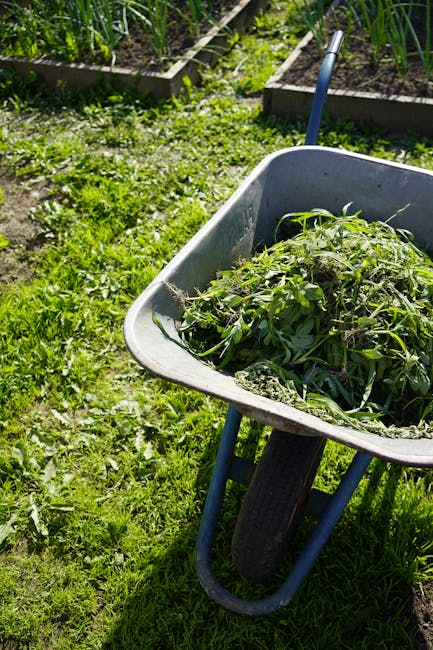
Green waste is often the largest part of a garden clearance, but it is rarely the only part. Branches, hedge cuttings, leaves, turf, root material and soil-laden debris can all be produced alongside bags of general rubbish and broken fixtures. We can handle mixed loads where the material needs sorting before disposal, especially when a garden has been neglected for some time or has gone through pruning, reshaping or light clearance work. The aim is to keep the process orderly from the start.
Not every material behaves in the same way. Fresh cuttings compress differently from woody waste, and heavy soil or rubble from borders can affect the loading process. When planning a clearance, it helps to know whether the waste is lightweight but bulky, or compact and heavy, because that shapes the vehicle space required and the time needed on site. That detail also helps when deciding whether the job should be split into stages or handled in one visit.
Customers often want a simple result: the green waste gone, the mixed rubbish removed and the garden left less cluttered. To support that outcome, we can organise the work around the kind of material present rather than forcing every clearance into the same pattern. If you already know the main waste types, it makes sense to tell us whether you have mostly cuttings, a mixed outdoor load or heavier material from overgrown borders. That detail makes pricing conversations clearer.
When a larger clear-out is needed
Some garden jobs are straightforward tidy-ups, while others are part of a broader property clearance. For example, a rear garden may need the removal of long-untouched waste, old furniture, collapsed structures and general household items that were left outside during earlier projects. In those cases, the job is less about trimming and more about reclaiming the usable outdoor footprint. We can approach that type of work as a structured clear-out rather than a superficial sweep.
Where there are larger or more awkward items, it is sensible to think about how they are positioned before the clearance begins. Heavy timber, dismantled fencing, unused equipment, broken containers and oversized planters can all affect how the work is sequenced. If some items need to be broken down before removal, that should be mentioned at the outset. Good planning prevents delays and makes it easier to remove the waste without disturbing the rest of the garden more than necessary.
For customers with a mixed outdoor load, an efficient clearance is often a matter of grouping the items by type and deciding what should be removed first. That may include clearing access routes before reaching the rear boundary, removing stacked waste before loose waste, or taking bulky items away before lighter material. If the garden contains a wide variety of unwanted pieces, the best next step is usually a clear inventory of the major items. Then the rest can be organised around that.
About Hillingdon

Hillingdon is a large district in west London and the namesake of the London Borough of Hillingdon, one of the capital’s outer boroughs. The area is shaped by a mix of suburban streets, older village centres, transport corridors and stretches of open land. Its history can be traced through places such as Uxbridge and Ruislip, alongside smaller settlements that were absorbed into the modern borough over time. The old parish pattern still leaves a mark on the local map, with historic centres and later housing estates sitting side by side. A notable feature of the borough is its reach: it runs from the densely built-up eastern edge near Hayes and Southall’s wider orbit through to more rural-looking western areas close to the county boundary. The Grand Union Canal passes through the district, linking the area to wider industrial and transport history, while several green spaces give the borough a less urban feel than many parts of London. Ruislip Lido, a former reservoir turned leisure spot, is one of the best-known outdoor places in the area, and parks such as Manor Farm and the Colne Valley open space contribute to a landscape that blends housing, heritage and recreation. Heathrow Airport lies close to the borough’s southern boundary, which adds a major transport and employment influence to the local picture. The result is a place with a strong practical identity: not a single town centre but a collection of neighbourhoods, older high streets, waterways, parkland and everyday residential streets that together form one of Greater London’s most varied outer districts.
Materials, access and safe removal
A careful garden clearance is not only about lifting items away; it also depends on the route the waste has to travel. Narrow gates, steps, soft ground, low branches and tight side passages can all change how the job is carried out. We plan around access so that the removal process is safe and manageable. If items are stacked in a back corner or tucked behind planting, it helps to know whether they can be moved without damaging surfaces or surrounding features.
Some outdoor waste needs a little more thought before it can be taken away. Soil, broken slabs, old edging and timber offcuts may all be present in the same garden, but they are handled differently once loaded. A well-run service should keep the heavier and cleaner materials organised so disposal remains efficient and the work area is left in decent order. That is especially important when a garden is being prepared for further trades or seasonal maintenance.
For customers arranging a clearance, two simple details can be very useful: how much waste is present and how easy it is to reach. Those points are often enough to shape a practical plan. If the job has multiple parts, such as clearing one section first and then returning to another, that can be discussed in advance. Useful information in one message saves time and helps the work proceed with fewer surprises.
How we approach quotation requests

Quotation requests for garden clearance are usually easiest when the waste type, approximate amount and access conditions are set out clearly. Photos can help where the items are varied or where the layout is difficult to describe, but they are not the only useful detail. A short note explaining whether the job is mostly green waste, mixed rubbish or bulky outdoor items gives a better starting point than a vague request for clearance alone. The more accurately the load is described, the more practical the response can be.
We also pay attention to limitations that can affect the work. If items are partly buried, waterlogged, tangled in overgrowth or stacked in a restricted area, that affects the sequence and effort involved. Likewise, if some objects are to remain in place, it is useful to identify them before the clearance begins. This avoids unnecessary removal and ensures the garden is treated according to the actual scope of work rather than an assumption.
If you are ready to compare options, send a brief outline of the job and ask for a quotation. You do not need to over-explain; a clear description of the waste, the access and any items that need special handling is usually enough to begin. For straightforward planning, you can also use the pricing and quotes page to support your enquiry.
Recycling and responsible disposal
Responsible disposal matters in garden clearance because outdoor waste is often a blend of recyclable and non-recyclable material. Wooden items, metal fixtures, certain plastics, green waste and inert materials may all need different handling after collection. Where practical, separating items helps reduce unnecessary disposal and keeps the process aligned with common waste management practice. This is one reason a thoughtful clearance is better than simply loading everything together without regard to type.
Customers sometimes expect the clearance to end when the load leaves the property, but the disposal route still matters. Mixed garden waste can include reusable materials, recyclable components and items that require more ordinary disposal. By sorting items properly, we can help ensure the removal is handled in a sensible way from start to finish. That approach is especially useful when the garden contains both natural waste and non-organic items like damaged containers, garden furniture or fixtures.
If you want to understand more about how different waste streams are handled, our recycling and sustainability page explains the broader approach. For a garden job, though, the main point is simple: the waste should be taken away in a way that is orderly, lawful and proportionate to the materials involved. That keeps the service practical for the customer and manageable for the site.
Other clearance services we provide
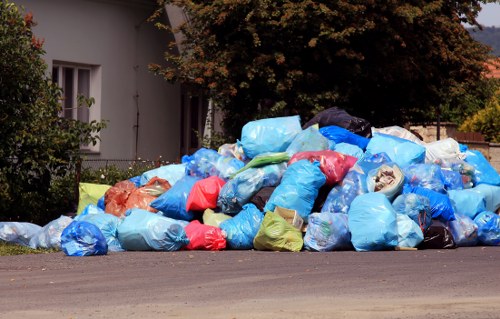
Although this page focuses on garden clearance, many customers also need help with other kinds of property waste. A garage can hold a surprising amount of redundant equipment, a loft may contain a build-up of stored items, and a home clearance can involve rooms as well as outside spaces. We provide related clearance services for different parts of a property, and each one is suited to a different kind of waste profile. That means you can choose the most appropriate service rather than forcing everything into one category.
Where the job is not strictly outdoor, it may still benefit from the same organised approach: separate the useful items, identify the bulky waste and make the removal sequence clear. Garage clearance can be useful where outdoor tools, old fixtures or boxed items have migrated into storage, while a loft clearance suits upper-level storage spaces with accumulated household materials. If the property needs a broader tidy-up, a home clearance may be more appropriate than booking several disconnected visits.
For customers who need to remove heavier non-organic waste from outdoor works, builders waste clearance can be relevant when the garden contains rubble, timber offcuts or renovation debris. If you would like to discuss the right service for your property, you can make an initial enquiry through our contact us page. For immediate next steps, tell us what needs clearing and where it is located.
Choosing the right clearance approach
The most suitable garden clearance depends on the type of waste, the condition of the space and the final result you want. A lightly overgrown garden with mainly green waste needs a different approach from a neglected plot with mixed rubbish and hard materials. Some customers only need a straightforward removal of cuttings and broken items, while others want an area reset so that later work can begin with a clean slate. Matching the service to the job avoids unnecessary cost and avoids under-scoping the work.
It can help to think in terms of task groups. For example, one group may be the soft organic waste, another the hard or bulky items, and another the contents of storage areas. Once the groups are identified, the work can be handled in a sensible order. That may mean clearing the obvious waste first, then dealing with awkward items, and finally tidying the remaining space. A structured sequence keeps the job efficient and makes the end result easier to assess.
When the clearance is part of a larger plan, it is often worth considering whether the garden will need follow-on work such as cutting back, repairs or landscaping. In that situation, the clearance should be organised so that the remaining access and surfaces are left ready for the next stage. If you are not sure which service fits best, a brief explanation of the space and waste is usually enough to point you in the right direction. Clear information leads to a better quotation.